
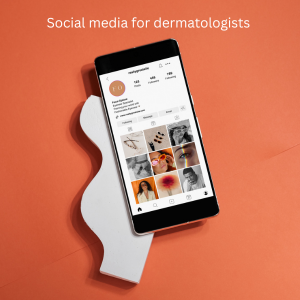
Social media for dermatologists is the use of digital platforms to share educational skin health content, engage with patients, and build professional credibility. It helps dermatologists combat misinformation, showcase expertise through visual content, and attract new patients by providing consistent, evidence-based information online.
Table of Contents
What Is Social Media for Dermatologists?
Social media for dermatologists refers to using platforms like Instagram, TikTok, YouTube, Facebook, and LinkedIn to share educational and visual skin-related content.
It allows dermatologists to communicate directly with patients and build trust.
In simple terms, it acts like a digital extension of a clinic—where patients can learn, observe, and understand treatments even before they step into a consultation room. Instead of relying only on word-of-mouth or offline reputation, dermatologists today can showcase their expertise to a much wider audience.
Example: A dermatologist posting acne treatment reels to educate viewers about proper skincare routines.
Over time, this consistent sharing of knowledge helps people recognize the doctor as a reliable source. When patients repeatedly see helpful advice—like how to manage oily skin or prevent acne scars—they naturally feel more confident reaching out for professional help.
Why Does Social Media Matter for Dermatologists?
Social media has become important because patients increasingly rely on online platforms for skincare advice.
Before booking an appointment, many people now search Instagram, YouTube, or even short videos to understand their skin concerns. This shift in behavior makes social media not just useful—but necessary.
Key Reasons:
- Helps combat widespread misinformation
- Builds trust through consistent education
- Attracts new patients through visibility
- Supports professional branding and networking
It solves the problem of lack of reliable dermatology information online by providing expert-backed insights.
Another important reason is accessibility. Patients who may hesitate to visit a clinic immediately often feel comfortable learning online first. When dermatologists provide clear, honest, and easy-to-understand information, it reduces confusion and fear.
Social media also bridges the gap between doctors and patients. It makes dermatology feel more approachable, especially for younger audiences who prefer quick, visual learning formats.
How Does Social Media Work for Dermatologists?
Social media works by delivering valuable, consistent, and engaging content to users.
Unlike traditional methods, where communication is mostly one-way, social media creates a continuous interaction between dermatologists and their audience.
Step-by-Step Process:
- Content Creation
Dermatologists create educational posts, videos, or images about skin conditions.
This may include explaining acne causes, demonstrating procedures, or sharing skincare routines. - Publishing on Platforms
Content is shared on Instagram, TikTok, YouTube, or LinkedIn.
Each platform serves a slightly different purpose, but all focus on visibility and reach. - Audience Engagement
Users interact through likes, comments, and shares.
Questions in comments often give insights into what patients are actually concerned about. - Trust Building
Consistent, evidence-based content builds credibility.
Over time, followers begin to rely on the dermatologist for accurate information. - Patient Conversion
Interested viewers become patients by booking consultations.
This happens naturally when trust is established.
In reality, this process is ongoing. The more consistent and helpful the content, the stronger the connection with the audience becomes.
Examples of Social Media in Dermatology
| Platform | Example Use Case | Purpose |
| Before-and-after acne photos | Build trust & engagement | |
| TikTok | Short skincare tips videos | Increase reach |
| YouTube | Detailed acne treatment guides | Educate deeply |
| Patient testimonials | Build community | |
| Sharing research or achievements | Professional branding |
Each platform serves a slightly different audience and purpose.
For instance, Instagram and TikTok are more visual and fast-paced, making them ideal for quick tips and transformations. YouTube allows deeper explanations, where dermatologists can take time to explain conditions properly. LinkedIn, on the other hand, helps build credibility among peers and professionals.
Using a mix of platforms ensures a balanced and effective presence.
Social Media vs Traditional Marketing
| Feature | Social Media | Traditional Marketing |
| Reach | High (global & local) | Limited |
| Cost | Low | High |
| Engagement | Interactive | One-way |
| Content Type | Visual & video | Print & ads |
| Trust Building | Strong | Moderate |
Traditional marketing still has value, but it lacks the direct interaction that social media provides.
With social media, patients can ask questions, leave comments, and even share their experiences. This interaction builds a level of trust that traditional ads often cannot achieve.
Another key difference is adaptability. Social media content can be updated quickly based on trends or patient queries, while traditional methods are more static.
Benefits of Social Media for Dermatologists
- Builds patient trust through education
- Increases visibility and reach
- Helps attract new patients
- Enables direct communication
- Positions dermatologist as an expert
Beyond these points, social media also helps dermatologists stay relevant in a competitive environment. As more clinics and professionals establish an online presence, being active ensures that a dermatologist remains visible to potential patients.
It also creates an opportunity to specialize. For example, a dermatologist focusing on acne or hair loss can build a niche audience interested in those topics.
Limitations of Social Media in Dermatology
- Risk of misinformation if content is not accurate
- Time-consuming to maintain consistency
- Patient privacy concerns
- Requires content creation skills
- Algorithm dependency affects reach
While social media offers many advantages, it is not without challenges.
Maintaining consistency can be difficult, especially for busy practitioners. Creating high-quality content regularly requires time, planning, and sometimes technical skills like video editing.
Privacy is another major concern. Even a small mistake in handling patient information can lead to ethical and legal issues. That’s why strict guidelines must always be followed.
Common Misconceptions About Social Media for Dermatologists
Myth: Social media is only for marketing
Fact: It is primarily a tool for education and trust-building
Myth: Only influencers succeed on social media
Fact: Qualified dermatologists gain credibility faster with evidence-based content
Myth: Posting frequently guarantees success
Fact: Content quality matters more than quantity
Another common misunderstanding is that social media requires a large following to be effective. In reality, even a small but engaged audience can lead to meaningful patient connections.
What matters most is clarity, accuracy, and consistency.
Related Questions
Is social media necessary for dermatologists?
Yes, it helps dermatologist in Roorkee stay relevant, educate patients, and attract new clients in a digital-first environment. It also ensures that patients receive accurate information instead of relying on unreliable sources.
Can social media replace clinic visits?
No, it supports awareness and education but cannot replace professional diagnosis and treatment. Dermatology requires physical examination and personalized care.
Which platform is best for dermatologists?
Instagram and TikTok are best for engagement, while YouTube is ideal for detailed education and LinkedIn for professional growth. The best approach is to use a combination of platforms.
Frequently Asked Questions
How often should dermatologists post on social media?
Dermatologist should ideally post 3–5 times per week. Consistency is more important than frequency, as regular posting helps maintain visibility, build trust, and improve engagement with the audience over time.
What type of content performs best for dermatologists?
Educational and visual content performs best. This includes before-and-after photos, skincare tips, acne treatments, and short video reels explaining skin conditions in simple language.
Is patient consent required for posting images?
Yes, dermatologists in Roorkee must always obtain written patient consent before sharing any images or videos. This ensures privacy protection and maintains ethical medical standards.
Can social media help grow a dermatology practice?
Yes, social media can significantly help grow a practice by increasing visibility, building credibility, and converting followers into patients through consistent and informative content.
What are the risks of using social media in dermatology?
The main risks include spreading misinformation, violating patient privacy, and maintaining professionalism. These can be avoided by following ethical guidelines and sharing accurate, evidence-based content.
Summary
- Social media helps dermatologists educate and build trust
- Platforms like Instagram, TikTok, Facebook, twitter and YouTube drive engagement
- Consistent, high-quality content is key to success
- It supports patient acquisition but does not replace clinical care
Ethical practices and patient privacy are essential